
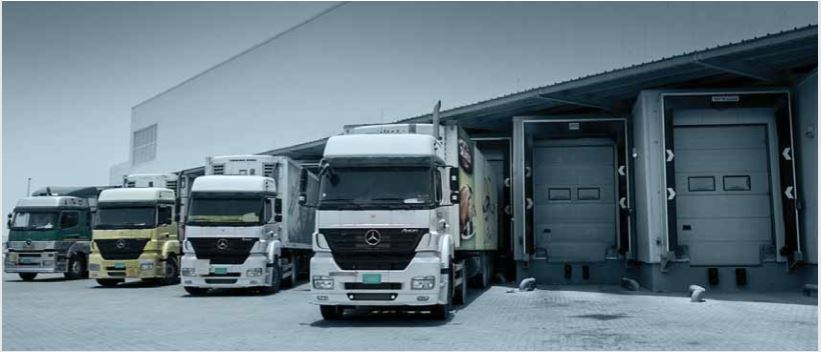
Many everyday products need strict temperature control to remain safe and usable. Items such as dairy products, frozen foods, and medicines cannot withstand heat exposure during transport or storage. Refrigerated logistics companies play a key role in managing the movement and storage of temperature-sensitive goods while maintaining consistent conditions from origin to delivery.
What Does Refrigerated Logistics Mean?
Refrigerated logistics refers to the transportation and storage of goods under controlled temperature conditions. Logistics companies manage this process through a system often called the cold chain. This system ensures that products stay within a required temperature range at every stage of handling.
Core Functions of Refrigerated Logistics Companies
To understand how these companies operate, it is useful to examine their primary responsibilities throughout the supply chain:
Temperature-Controlled Transportation
These companies use refrigerated trucks, also known as reefers, to move goods safely. They maintain consistent temperatures throughout the journey. This process helps prevent spoilage and ensures that products reach their destination in usable condition.
Cold Storage and Warehousing
Refrigerated warehouses store goods before and after transportation. These facilities maintain specific temperature settings based on product requirements. Proper storage helps preserve the quality and extends the shelf life of sensitive items.
Temperature Monitoring and Tracking
Modern systems allow companies to monitor temperature in real time. Sensors and tracking tools provide updates throughout the shipment process. This level of control helps identify issues quickly and maintain product safety.
Packaging and Handling
Specialized packaging protects goods during loading and unloading. Insulated materials help maintain temperature even during short exposure periods. Careful handling reduces the risk of damage and temperature fluctuations.
Distribution and Final Delivery
Refrigerated logistics includes the final delivery stage to retailers, hospitals, or distribution centers. Companies ensure that temperature conditions remain stable until the product reaches its final destination.
Types of Products Handled
These services are applicable to a wide range of industries that rely on temperature control:
Food and Beverages
Products such as fruits, vegetables, meat, and dairy require consistent cooling. Without proper handling, these items spoil quickly and lose quality.
Pharmaceuticals and Healthcare Products
Medicines and vaccines often require strict temperature ranges. Maintaining these conditions ensures that the products remain effective and safe for use.
Chemicals and Specialty Goods
Certain chemicals and materials also depend on temperature control. These products need careful handling to prevent degradation or safety risks.
Why Is Refrigerated Logistics Important?
The role of refrigerated logistics goes beyond simple transportation and storage. Maintaining proper temperature helps prevent waste and ensures product safety. It also supports supply chains by allowing goods to travel long distances without losing quality. Businesses rely on refrigerated logistics companies to meet safety standards and deliver products that customers can trust.
Conclusion
Refrigerated logistics companies play an important role at every stage of temperature-controlled supply chains, from storage to final delivery. By maintaining consistent conditions, they help protect product quality and safety across industries. Their role supports the reliable distribution of essential goods and ensures that sensitive products reach consumers in the right condition every time.