
A few years ago, most people looked at Security Drones like expensive toys. Cool to watch. Maybe useful for military footage or some YouTube guy filming mountains. That changed fast. Now construction companies, police departments, energy sites, even private farms are using drones daily because they solve actual problems. Real ones. A drone can cover miles of land in minutes while a security guard struggles to patrol one section on foot. That matters when time is everything.
The thing people miss is how practical these systems became. Modern Wingtra Drones and Quantum System drones are built for rough conditions, long flights, mapping accuracy, and live monitoring. Not just pretty aerial shots. They’re tools now. Serious ones.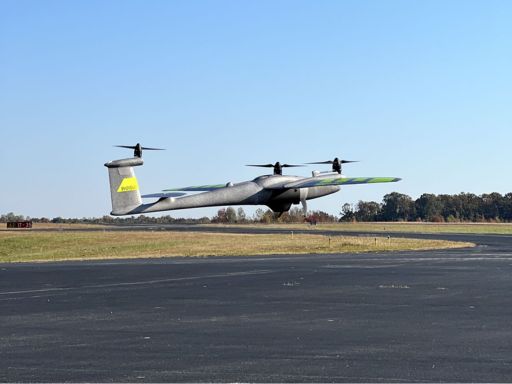
Drone Mapping Services Give Security Teams Better Visibility
Most break-ins, trespassing incidents, or site theft happens because somebody missed something. Blind spots. Poor visibility. Delayed response. That’s where Drone Mapping services changed the game a bit. Maybe more than people realize.
With detailed aerial mapping, security teams can build live visual layouts of huge properties. Warehouses, mining sites, oil facilities, solar farms. Places that are impossible to monitor properly from the ground. Mapping data software helps turn drone footage into usable intelligence instead of random video clips nobody checks later.
And honestly, the speed matters too. A drone can scan an entire perimeter before a truck even finishes driving around the property. That’s not hype. It’s just efficient.
Police Drones Are Becoming Standard Equipment
A lot of law enforcement agencies resisted drones at first. Privacy concerns, budget problems, old-school thinking. You still hear that stuff. But Police Drones are becoming normal because they reduce risk for officers and civilians. Simple as that.
During missing person searches, drones with thermal cameras can find people in darkness, heavy brush, or flood zones where helicopters struggle. During crowd monitoring or active incidents, aerial footage gives command teams a much clearer picture than radio chatter ever could. Sometimes a drone prevents escalation because officers can assess situations before rushing in blind.
Not every department has massive budgets either. Smaller agencies are using compact systems now. Some are surprisingly affordable. That shift happened quietly.
The Role of AI and Mapping Data Software
Here’s where things get a little wild. The software side is evolving faster than the hardware. Modern mapping data software can process terrain models, detect movement patterns, identify unauthorized vehicles, and even flag unusual behavior automatically. That used to require full surveillance teams.
Now, Security Drones connected to AI systems can monitor restricted areas almost nonstop. There’s still human oversight obviously, but automation handles repetitive monitoring work much better than tired humans staring at screens for twelve hours.
Some systems even create predictive security models using Drone Mapping services. Sounds futuristic, but it’s already happening in infrastructure protection and border monitoring. Kinda creepy sometimes honestly, but effective.
Why Wingtra Drones and Quantum System Drones Stand Out
There are hundreds of drone brands floating around right now. Most won’t matter in five years. But Wingtra Drones and Quantum System drones keep showing up in serious commercial operations because they’re designed for reliability, not just marketing videos.
Wingtra systems are especially strong for high-precision mapping and surveying. Fixed-wing flight gives them long coverage range without draining batteries every twenty minutes. Quantum System drones lean hard into tactical operations and industrial monitoring. Rugged builds. Better endurance. They’re made for ugly conditions where normal consumer drones fail fast.
People buying cheap drones for major security operations usually regret it later. The hardware quality difference becomes obvious real quick.
Security Drones Help Industries Beyond Traditional Security
People hear “security” and instantly think guards or police. But Security Drones are spreading into agriculture, logistics, transportation, and utilities because monitoring assets is part of security too. A power company checking damaged transmission lines after storms? That’s security. A rail operator scanning tracks for hazards or trespassers? Same thing.
Drone Mapping services also help insurance investigations after disasters. Flooding, fire damage, structural collapse. Aerial data speeds up assessments massively. Some companies reduced inspection times from weeks down to days. Sometimes hours.
That speed changes decision-making. Faster information usually means less money wasted.
Are Security Drones Replacing Human Teams?
Not fully. Probably not anytime soon either. Drones are tools, not magic replacements. You still need trained people making decisions and responding to incidents. But drones absolutely reduce manpower pressure. One operator with the right setup can monitor areas that used to require several patrol vehicles.
There’s also the safety factor. Sending drones into unstable buildings, chemical spill zones, or dangerous terrain makes way more sense than risking people first. Most industries understand that now.
Still, some companies buy advanced systems without training staff properly. Big mistake. Fancy hardware means nothing if nobody understands flight planning, data processing, or compliance rules. Happens more than you’d think.
FAQs About Security Drones and Drone Mapping Services
Are Security Drones legal for commercial use?
In most countries, yes, but operators usually need certifications and flight permissions depending on location and mission type. Regulations change constantly though, so companies need to stay updated.
How accurate are Drone Mapping services?
Pretty accurate when done correctly. High-end systems using RTK positioning and professional mapping data software can produce centimeter-level accuracy. That’s why engineering and infrastructure companies rely on them heavily now.
Do Police Drones record everything?
Not always. Policies vary by department. Some only activate recording during operations while others maintain broader surveillance capabilities. Public concern over privacy is still a huge conversation around drone programs.
What industries benefit most from Security Drones?
Construction, law enforcement, utilities, mining, agriculture, transportation, and large industrial facilities probably see the biggest gains right now. But honestly the use cases keep expanding every year.
Conclusion
Security Drones stopped being futuristic concepts a while ago. They’re practical tools solving real operational problems every day. Faster surveillance, smarter mapping, lower risk, better response times. That’s why adoption keeps growing even when budgets get tight. Companies want systems that actually improve efficiency instead of creating more work.
Drone Mapping services are part of that shift too. Better aerial intelligence changes how organizations protect assets and manage large environments. Whether it’s Police Drones handling emergency response or Wingtra Drones mapping industrial sites, the technology keeps moving into everyday operations. And it’s not slowing down.

