
Ever wondered what it’s like to walk into a home where every corner, every room, and every detail has been crafted specifically for you? Have you caught yourself scrolling through home design websites, thinking “I want to have a house built that actually works for my family”? Are you tired of viewing properties that tick most boxes but never quite hit the mark?
Planning a custom home build might seem like a mountain to climb, but with the right roadmap, it becomes an exciting journey towards creating your perfect living space. Whether you’re dreaming of open-plan living, a home office with a view, or a kitchen that’s actually designed for how you cook, building a custom home puts you in the driver’s seat.
This guide walks you through every step of the custom home building process. From setting realistic budgets and finding the perfect block of land to exploring design possibilities and managing construction timelines, you’ll gain the knowledge and confidence to turn your dream home into reality. We’ll explore practical home building tips and tricks, help you sidestep common pitfalls, and show you how to work effectively with builders and designers to create a home that’s uniquely yours.
Getting Started: Is Building a Custom Home Right for You?
Building a custom home begins with honest self-reflection. It requires time, patience, and emotional investment, but in return, you gain a home designed around your lifestyle, values, and long-term goals.
Compared to buying an existing property, a custom build offers complete control. While established homes provide convenience, they often involve layout compromises and hidden maintenance issues. Designing from scratch allows you to tailor spaces to your real needs—now and in the future.
Most custom homes take 12–18 months to build, plus additional time for planning and approvals. Understanding this timeline and setting realistic expectations early helps make the journey smoother and far more rewarding.
Setting Your Budget and Financing Your Dream Home
Setting a realistic budget is one of the most important steps in building a custom home. Costs in Australia vary widely based on location, size, and finishes, so it’s essential to understand what you can comfortably afford and plan your design and selections accordingly.
Beyond basic construction, there are many hidden costs that cheaper quotes often don’t cover — from site works and landscaping to upgraded finishes and necessary contingency funds. Knowing the hidden costs of choosing the cheapest builder can help you budget more accurately and avoid surprises later.
Custom home loans are usually released in stages as construction progresses, so planning cash flow and keeping a 10% contingency buffer is crucial. That extra financial cushion helps manage unexpected costs and keeps your build on track.
Finding and Preparing Your Perfect Block of Land
Choosing the right block of land sets the foundation for your entire build. Location affects daily convenience, privacy, sunlight, and long-term value, so spend time in the area at different times to understand traffic, noise, and natural light.
Before committing, soil tests and site assessments are essential. Conditions like reactive clay, rock, or high water tables can significantly increase foundation costs, making a geotechnical report a smart early investment.
Sloping blocks can offer stunning views and creative design options, but they often require extra engineering and earthworks. Always check council zoning, building restrictions, and covenants early to avoid costly surprises later.
Designing Your Custom Home: From Vision to Blueprint
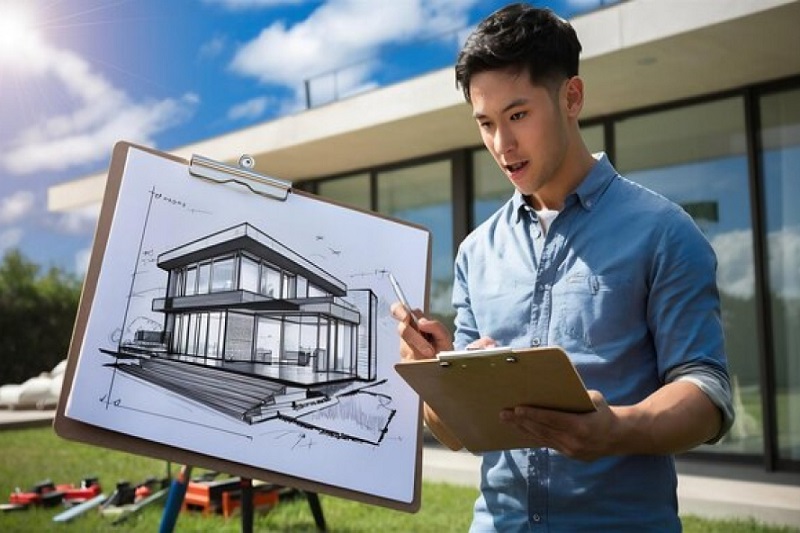
Designing a custom home starts with understanding how you truly live—your daily routines, shared spaces, and practical needs. A well-thought-out design prioritises flow, natural light, and functionality rather than just visual appeal.
When shaping your layout and aesthetic, drawing inspiration from timeless design philosophies can add long-term value. Concepts rooted in organic architecture emphasise harmony between the home, its occupants, and the surrounding environment, influencing everything from room orientation to material choices.
Whether you work with an architect or a building designer, focusing on lifestyle-driven design, sustainability, and future-ready features ensures your blueprint evolves into a home that remains comfortable, efficient, and relevant for years to come.
Navigating Council Approvals and Building Permits
Council approvals can be time-consuming, but well-prepared applications move faster. Councils assess plans for compliance with planning codes, neighbourhood impact, and environmental factors. Submitting clear, complete documentation helps avoid delays and redesigns. Building approvals usually follow DA approval and focus on structural compliance. Be mindful of estate covenants, which can be stricter than council rules and may affect materials, design, or landscaping.
Choosing the Right Builder for Your Project
Selecting the right builder is critical to a smooth build. Licensed builders offer expertise, trade coordination, and warranty protection, while owner-building requires significant time and experience. Always verify licenses, review past projects, speak with recent clients, and compare detailed quotes—not just prices. Carefully review contracts, understand warranties, and be cautious of unusually low quotes or large upfront deposit requests.
Materials Selection and Quality Considerations
Material choices affect durability, maintenance, and energy efficiency. Prioritise quality for structural elements, insulation, plumbing, and electrical work—these are costly to change later. Balance timeless materials with trend-driven finishes that are easier to update. Local materials often suit Australian conditions better and are easier to replace if issues arise.
Project Management and Construction Timeline
Custom home builds follow clear stages, from site prep and framing to lock-up, fit-out, and finishes. Understanding these phases helps manage expectations and progress payments. Weather delays and material shortages are common, so allow buffer time. Regular communication, site updates, and clear documentation help keep the project on track.
Common Pitfalls and How to Avoid Them
Budget overruns often stem from late changes and upgrades. Finalise decisions early and carefully assess variation costs before approving them. Written quotes and clear timelines prevent surprises. Focus on your priorities and accept that no build is perfect—flexibility reduces stress.
Final Stages: Inspections, Handover, and Moving In
Conduct a thorough pre-handover inspection and document all defects. Understand your warranties, keep all paperwork, and organise utilities well before moving in. Landscaping is often overlooked, so budget for essential works early to turn the construction site into a liveable home.
Conclusion
Building a custom home is more than a construction project—it’s a personal journey that turns your vision into a living, breathing space. While the process demands thoughtful planning, realistic budgeting, and patience, the reward is a home that truly reflects how you live, grow, and relax. From initial sketches to the final handover, every decision shapes a home that no standard build can replicate.
The most successful custom builds happen when homeowners understand the process, communicate openly, and stay adaptable when challenges arise. With solid planning, clear expectations, and the right professionals by your side, the journey becomes far more enjoyable and far less stressful. Whether you’re prioritising sustainable materials, future-ready layouts, or bespoke design details, custom building gives you complete control.
If you’re ready to take the next step, start by exploring display homes, gathering inspiration, and speaking with experienced Custom Home Builders in Brighton who understand local design trends, council requirements, and coastal living considerations. With expert guidance and a clear vision, the home you’ve always imagined isn’t just possible—it’s well within reach.

